PFAS-Free Fabrics for Custom Sportswear: What Brand Buyers Need to Know
- Share
- publisher
- WENSFASHION
- Issue Time
- Sep 21,2026
Summary
PFAS-free water-repellent fabrics are no longer a niche request. This guide explains what PFAS and PFC-free DWR really mean, why regulations and consumers are driving the shift, and how a custom sportswear manufacturer can help you build compliant performance apparel without sacrificing function.
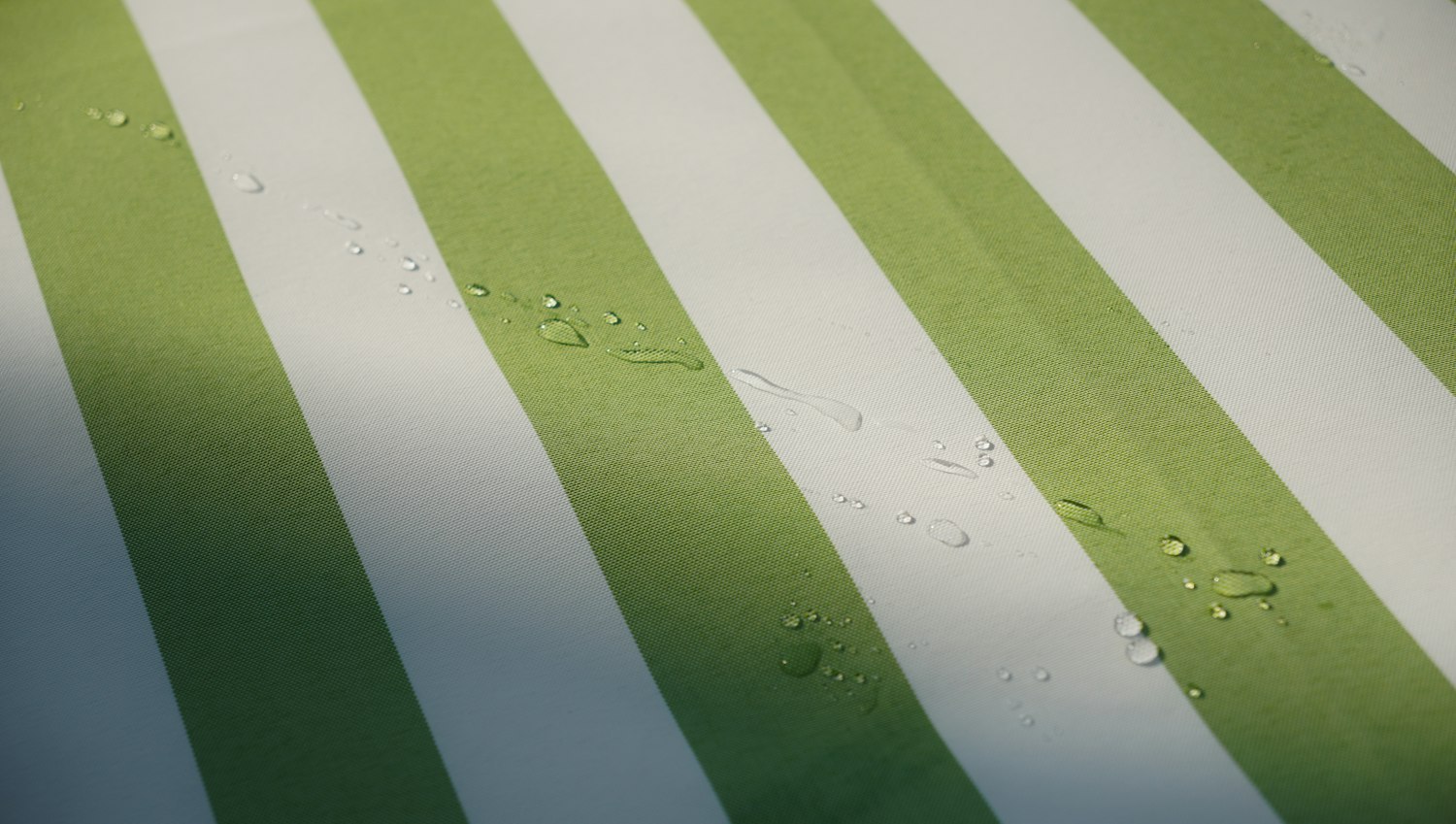
Water repellency has long been one of the most requested performance features in custom activewear, outdoor jackets, and team sportswear. For decades, that feature depended heavily on PFAS-based durable water repellent (DWR) finishes. Today, a growing mix of regulation, consumer expectation, and supply-chain due diligence is pushing brands to ask a different question: can the same performance be achieved without fluorinated chemistry? The short answer is yes, but the path depends on fabric construction, finish chemistry, and how the garment is built. PFAS, or per- and polyfluoroalkyl substances, are a family of synthetic fluorinated compounds. In textiles, their main job is to make surfaces resist water, oil, and dirt. A PFAS-based DWR lowers the surface energy of a fabric so water forms beads and rolls off instead of soaking in. The chemistry works exceptionally well, which is why it became the default for waterproof jackets, ski pants, hiking leggings, and training tops. The problem is persistence. PFAS do not break down easily in the environment or in the human body, and several compounds classified as PFAS have been linked to health concerns. For brand buyers, this creates three practical pressures: "PFAS-free" and "PFC-free" are often used interchangeably, but precision matters. PFCs (perfluorinated compounds) are a subset of PFAS. A fabric labeled PFC-free has eliminated the fluorinated chemistry traditionally used in DWR. A fabric labeled PFAS-free typically means the material and its finishes have been assessed against a broader list of fluorinated substances. All PFC-free finishes are fluorine-free, but a PFAS-free claim usually requires a wider chemical screening, including short-chain fluorinated compounds that some brands use as replacements for legacy C8 chemistry. The shift from C8 to C6 DWR was once treated as an improvement, but regulators now increasingly treat all long-chain and short-chain perfluorinated chemistries as part of the same concern. That is why the leading approach for new collections is to move to entirely fluorine-free alternatives. Three forces are moving PFAS-free from a nice-to-have to a sourcing requirement. The European Union is moving toward broad PFAS restrictions under REACH, with textiles and apparel squarely in scope. In the United States, states such as California, New York, and Washington have introduced or enacted PFAS limits. Canada, Japan, and Australia are watching closely. For a brand planning a collection that will ship in twelve to eighteen months, the regulatory map is already a design input. Large sporting-goods retailers and outdoor brands now send chemical compliance questionnaires to suppliers before onboarding. Missing PFAS documentation can disqualify a factory or fabric from an entire program. While most end buyers cannot name individual PFAS compounds, they recognize the umbrella term. "PFAS-free" has become a trust signal in the same category as recycled content and fair labor claims. For private-label and DTC brands, that signal can affect conversion. Moving away from fluorinated chemistry does not mean giving up on water repellency. Several mature and emerging technologies can deliver the performance brand buyers need. Each technology has a different cost curve, minimum order profile, and wash durability. Bio-based finishes can feel premium and align with sustainability stories, but they may need refresh sprays sooner than hydrocarbon C0 systems. Silicone-based finishes add softness but can reduce seam-sealing compatibility. Membrane alternatives offer the closest functional replacement for legacy waterproof-breathable fabrics, though they require careful lamination work. It is important to set the right performance expectations with your design and sourcing teams. PFAS-free fabrics can absolutely repel water, resist light staining, and protect athletes in wet conditions. Where they historically lag is in two areas: extreme oil repellency and multi-year wash durability without reproofing. For most custom sportswear categories, these trade-offs are manageable through design. A training jacket that sees weekly wash cycles can be built with a tightly woven face and a C0 finish. A lifestyle windbreaker can use a bio-based DWR. A hiking shell can pair a non-fluorinated membrane with a robust face fabric. The choice should match the use case, not the marketing brief. A fabric mill can claim a finish is fluorine-free, but a claim is only as strong as the test report behind it. When sourcing PFAS-free materials, the documentation stack should include: A responsible manufacturer does not just pass a fabric spec sheet to a brand. It checks that the test reports match the exact article number, lot number, and finish recipe on the purchase order. If a fabric is changed mid-season, the compliance file should be updated before bulk production starts. As a custom sportswear manufacturer, our role is to bridge the gap between a brand's sustainability target and a garment that performs in the field. The process typically follows five stages. We shortlist PFAS-free base fabrics from approved mills based on end use, target price, and required performance ratings. Samples include full composition and finish details. We cut proto samples so the brand can evaluate fit, hand feel, color, and preliminary water-repellency behavior before committing to bulk. We align the tech pack with the PFAS-free claim, specifying exact finishes, trims, and any membrane or laminate details. We also lock in the test plan and acceptance criteria. Fabric is dyed, finished, and laminated if needed under controlled recipes. We retain fabric swatches and production records for traceability. Garments are checked against the approved sample, packed, and shipped with the supporting compliance documents. PFAS-free finishes can be durable, but they respond to design choices and aftercare more than legacy chemistries. Three practical recommendations can extend the usable life of a garment. Denser weaves, higher yarn counts, and quality laminations reduce the load placed on the surface finish. A strong base fabric means the DWR has less work to do on every wear. Zippers, tapes, thread, and prints can introduce fluorinated chemistry even when the main fabric is clean. Review trim specs with the same PFAS-free lens to avoid a "clean fabric, dirty detail" problem. High-heat drying can reactivate many PFAS-free finishes. Gentle detergents and occasional reproofing sprays help maintain water repellency. Care copy on the label is part of the performance promise. The direction of travel is clear. PFAS restrictions will broaden, test methods will become more sensitive, and brands that invested early in fluorine-free supply chains will have a smoother path to market. At the same time, finish suppliers are improving hydrocarbon, bio-based, and membrane technologies every season. The performance gap between PFAS and PFAS-free is shrinking. For brand buyers, the practical move is to start the conversation before the collection is finalized. Fabric availability, minimums, color development, and testing lead times all shift when moving to PFAS-free materials. Bringing a manufacturer into the discussion early prevents last-minute compromises that could affect cost, delivery, or performance. No. PFAS-free refers to the absence of perfluorinated chemistry in the fabric or finish. The garment can still be water-repellent or waterproof depending on the base fabric, membrane, and construction. Yes. Recycled polyester and nylon bases pair well with most fluorine-free finishes and are a common starting point for sustainable sportswear collections. Ask for a test report covering PFAS or total fluorine screening, plus relevant textile certifications such as OEKO-TEX Standard 100, bluesign APPROVED, or GOTS where applicable. Use gentle detergents, avoid fabric softeners, follow care-label heat settings, and consider a fluorine-free reproofing spray after heavy use or multiple washes. Building a PFAS-free sportswear line is no longer a technical compromise. It is a compliance and positioning decision that can be executed well when fabric, design, and manufacturing are coordinated from the start. If your team is planning a custom collection and wants to evaluate PFAS-free fabric options, our development team can shortlist suitable materials and walk you through sampling and testing. You can also explore more fabric and manufacturing guidance in our Fabric & Materials and OEM / ODM & Manufacturing sections.PFAS-Free Fabrics for Custom Sportswear: What Brand Buyers Need to Know
The Hidden Chemistry in Water-Repellent Sportswear
PFAS vs. PFC-Free DWR: What Is the Difference?
Key distinction
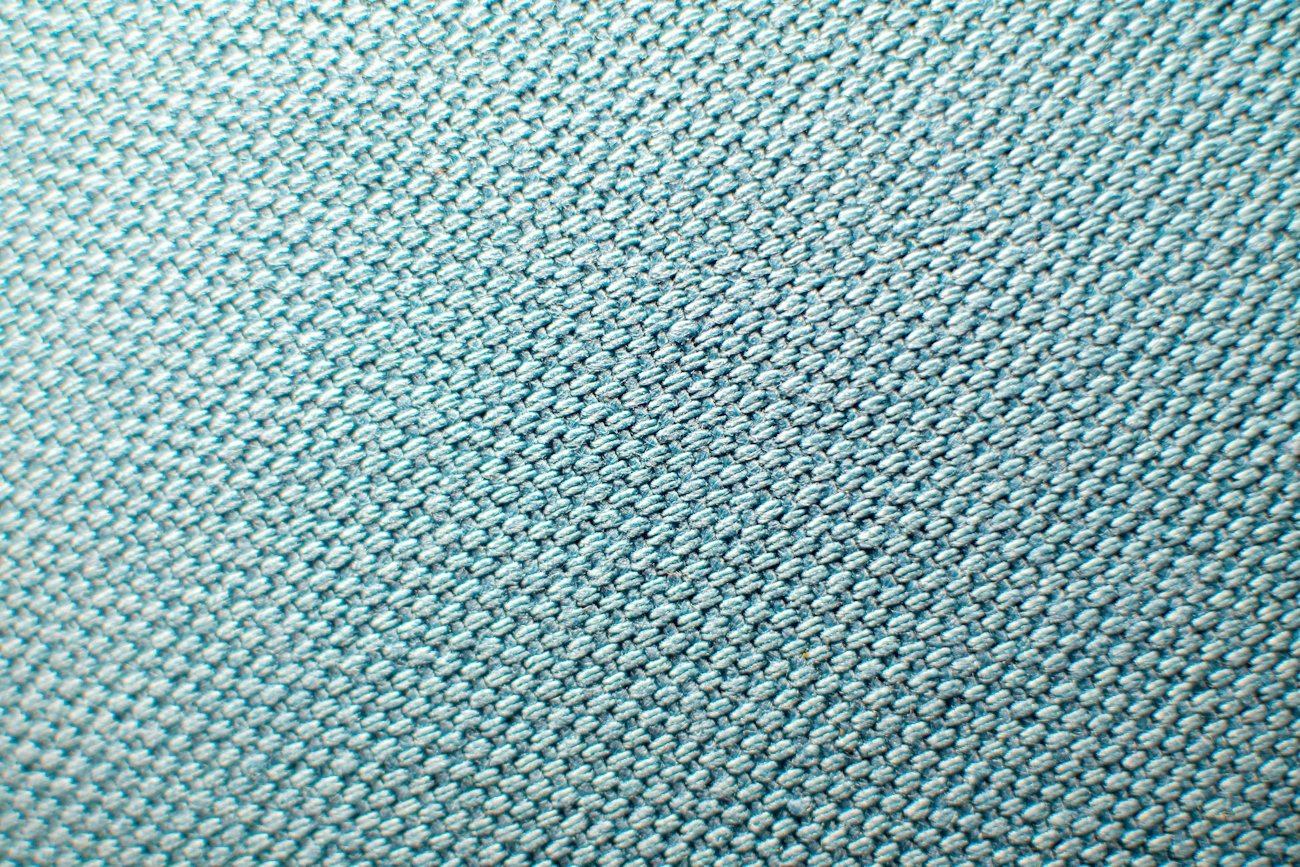
Why the Shift to PFAS-Free Fabrics Is Accelerating
Regulation is tightening
Retail partners are asking first
Consumers read labels differently
PFAS-Free Water-Repellent Technologies Available Today
Technology How it works Best suited for Bio-based DWR Plant-derived waxes and oils form a hydrophobic layer on yarn surfaces. Light rain jackets, urban activewear, lifestyle outerwear Silicone-based finishes Silicone polymers reduce surface tension and create a soft hand feel. Softshells, mid-layers, yoga and training apparel Hydrocarbon C0 DWR Fluorine-free paraffin and hydrocarbon chemistry repels water without PFAS. Performance outerwear, team uniforms, hiking apparel Mechanical construction Tightly woven or densely knitted structures physically block water entry. Windbreakers, running layers, gym shorts Membrane alternatives TPU, PU, or electrospun non-fluorinated membranes replace PTFE. Hard-shell waterproof-breathable jackets 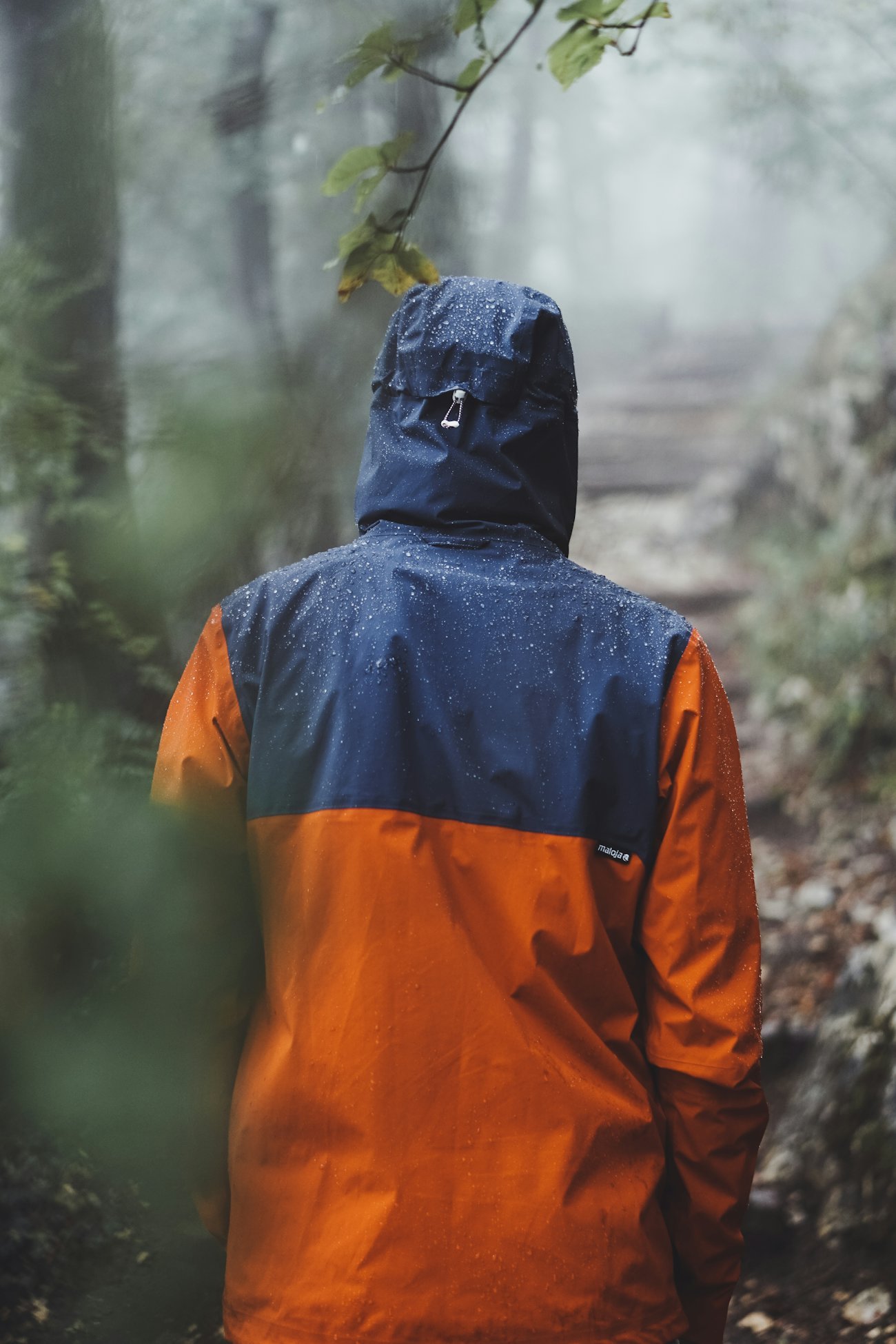
What Performance Can You Realistically Expect?
Comparable performance
Performance gaps to manage

Sourcing and Certifying PFAS-Free Fabrics Through Your Manufacturer
How We Build Custom PFAS-Free Sportswear
Fabric selection
Proto sampling
Tech pack and testing plan
Bulk dyeing and finishing
Quality control and dispatch
Design and Care Tips That Protect PFAS-Free Performance
Choose constructions that support the finish
Control trim chemistry
Educate the end user on care
The Road Ahead: Regulations, Innovation, and Brand Trust
Key takeaways
Frequently Asked Questions
Is PFAS-free the same as waterproof?
Can I use recycled polyester with a PFAS-free DWR?
What certificates should I ask for?
How do I keep PFAS-free water repellency working longer?