SS27 Activewear Trends: Five Directions Your Brand Can Actually Produce
- Share
- publisher
- WENSFASHION
- Issue Time
- Nov 21,2026
Summary
SS27 moves the shaping job from the pattern room into the fabric. This short brief covers five directions worth producing for the season, with the base fabric, construction detail, and sampling risk for each, a comparison of which directions fit a small opening order, and the working calendar back from a February to April retail window.
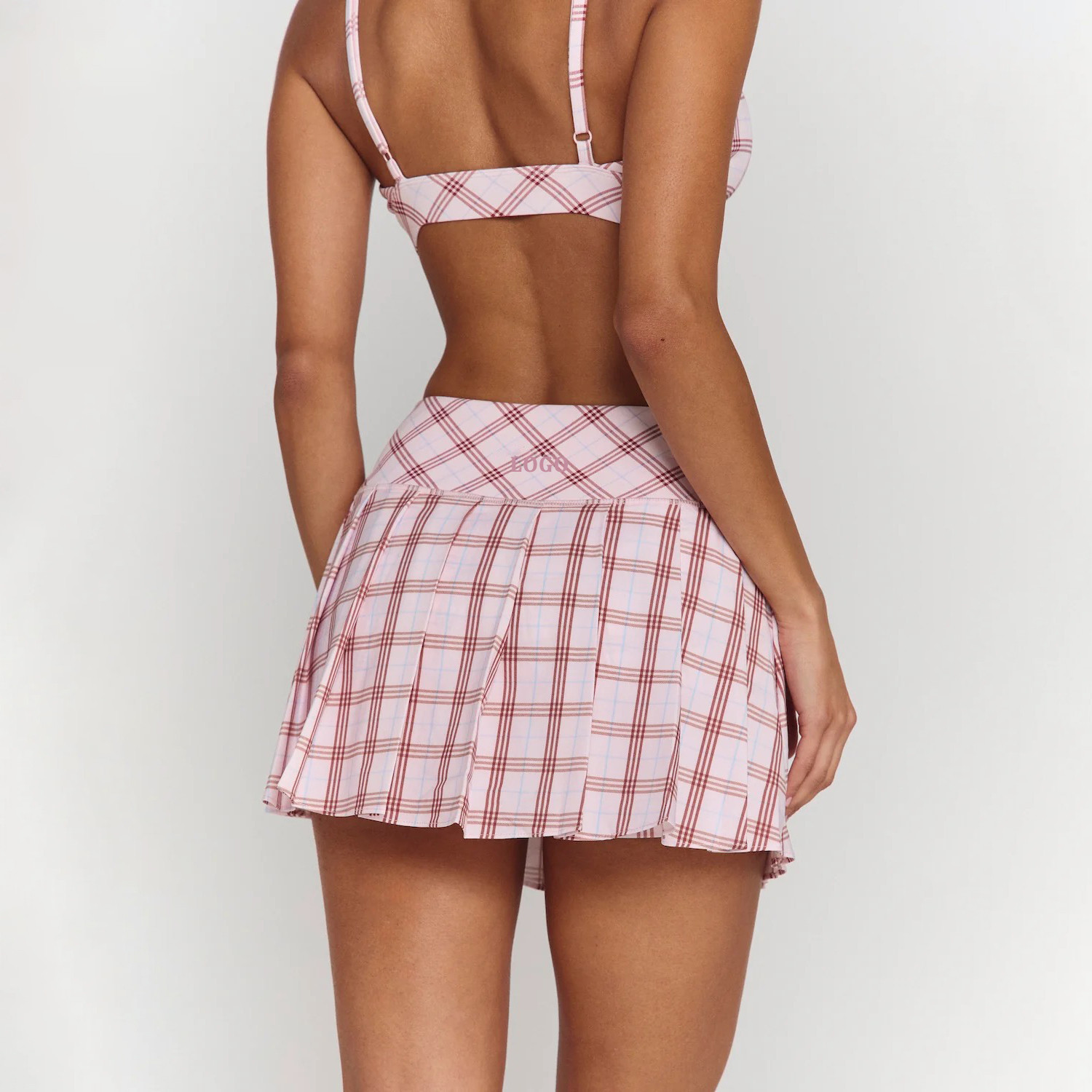
SS27 Activewear Trends: Five Directions Your Brand Can Actually Produce
SS27 runways closed this autumn, and brand calendars are already moving into sampling. Most trend recaps stop at the look. This one starts where buying decisions actually happen: which directions survive the fabric, construction, and minimum-order filter, and what each one costs you in tooling and lead time. Five directions, five production notes.
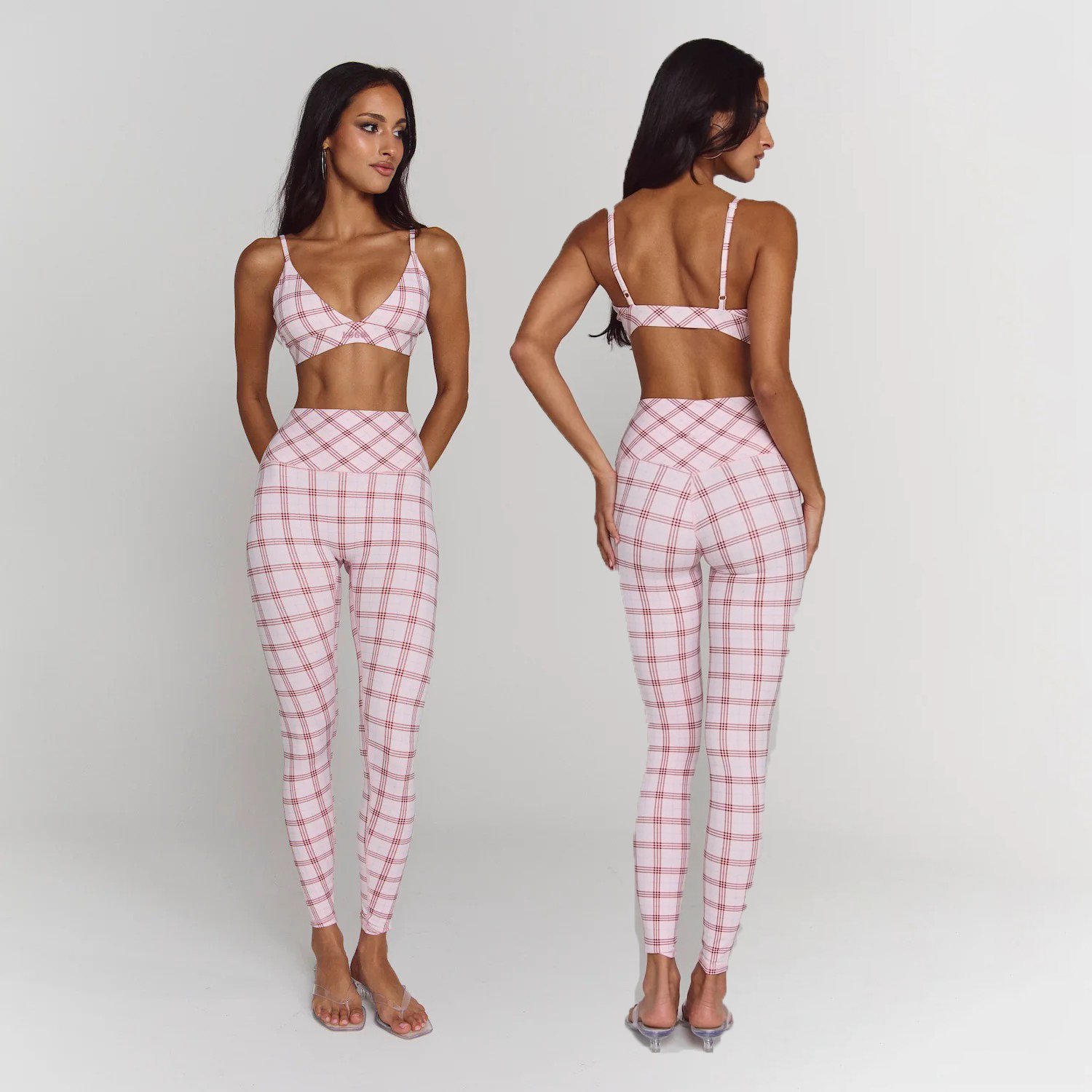
One shift sits behind all five directions
Across yoga, court, gym, and outdoor lines, SS27 moves the shaping job from the pattern room into the fabric. Less boning, less padding, fewer liners. What replaces them is denser knit construction, controlled recovery, and cleaner seams. The practical consequence for a brand is simple: fabric choice now decides whether a style photographs well and survives a wash cycle, not whether it looks right on a sketch.
That is good news for small brands. A strong fabric platform lets you build a credible collection without a heavy development budget. It is bad news for anyone specifying by look alone, because two fabrics with the same description can behave completely differently at the seam.
1. Fabric-led sculpting
Compression comes from the knit, not from panels or lining. The silhouette stays close, the leg opening does not bite, and the garment works as a single layer for studio and street.
What to specify
- Base: nylon/elastane double-knit interlock, roughly 230 to 260 gsm, four-way stretch with high recovery.
- Construction: flatlock or bonded seams, gusset in leggings, tapered waistband tension instead of elastic.
- Watch point: seam grin under stretch and the squat test. Below roughly 220 gsm, most interlock fails it.
2. Half-sporty, half-styled (après dressing)
The lightest layer in the collection does the styling work: a thin nylon shell over a legging or a skirt, worn open. It reads as performance and works as outerwear, which is why it converts well in transitional seasons.
What to specify
- Base: 30D to 50D nylon taffeta or ripstop, around 40 to 60 gsm, soft hand, low sheen.
- Construction: hot-air taped seams on unlined shells, elastic cuffs, two-way zip if the style is long.
- Watch point: thin nylon puckers at every seam. Sampling usually needs one round just to settle stitch density and needle size.
3. Courtwear that lives off the court
Tennis is no longer a seasonal category. Skorts and dresses with built-in shorts, ball pockets, and pleats now sell to buyers who never step on a court. This is the direction where your existing product pages already have search position, so a content and product push compounds.
What to specify
- Base: four-way stretch woven poly/elastane, about 130 to 160 gsm, crease-resistant finish, UPF rated where claimed.
- Construction: heat-set pleats for retention, integrated liner short with flat waistband, pocket placement tested with a real ball.
- Watch point: pleat memory after ten washes, and plaid matching across pleat folds. The second one is the real cost driver.
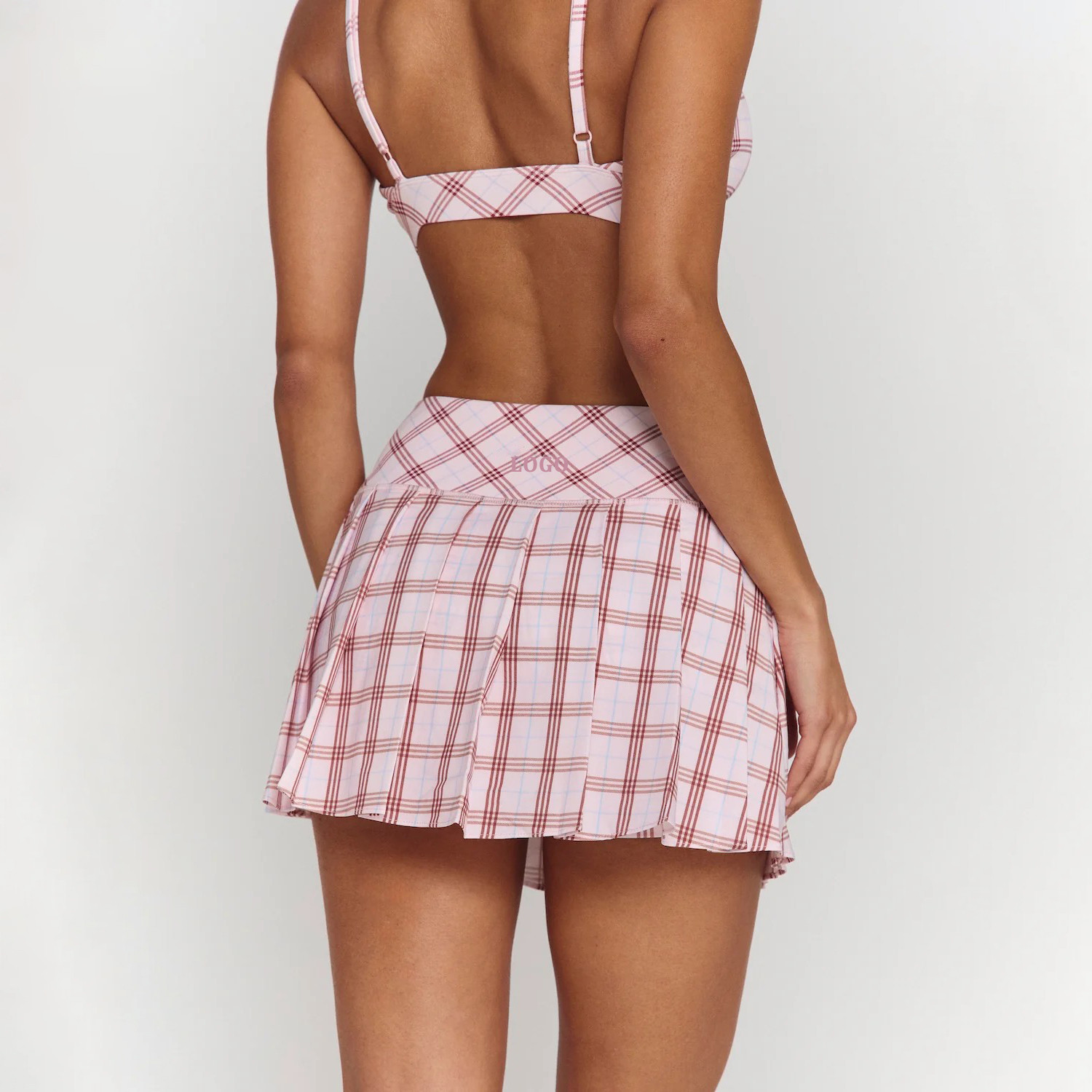
4. Engineered plaid and micro-check
Checks and micro-plaids are the most photographed print direction of the season, and the easiest to get wrong. The look depends on pattern alignment at every seam, not on the print file.
Yarn-dyed check or digital print?
Yarn-dyed check gives crisp edges, better colour depth, and stable alignment, but it carries a higher minimum per colourway and a longer lead time. Digital print on a knit base is faster and cheaper at small volumes, but the check sits on the surface and can drift at seams. For an opening order under a few hundred pieces, print is usually the pragmatic choice; for a repeat program, move to yarn-dye.
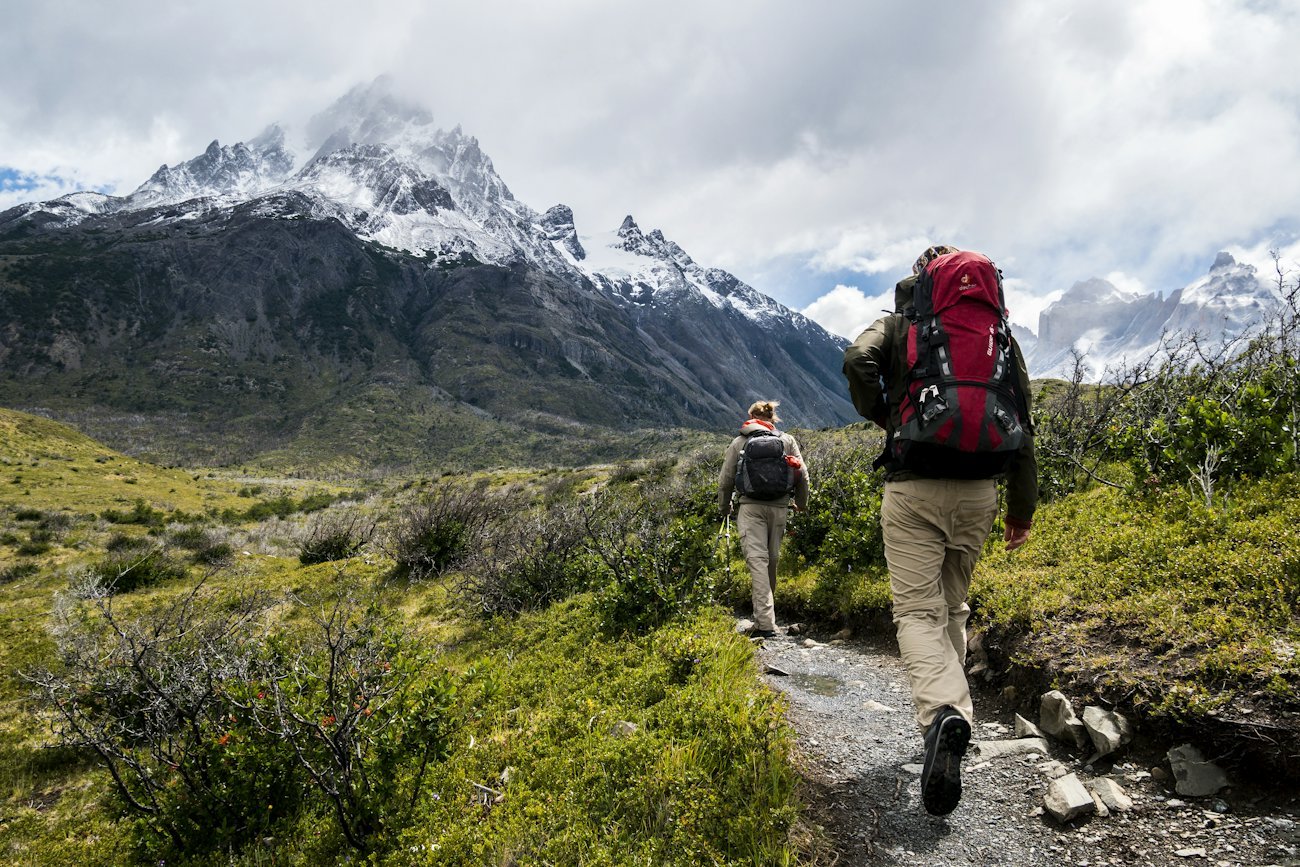
5. Travel-ready outdoor layers
Packable shells, sun hoodies, and featherweight wind layers continue to move from outdoor specialists into lifestyle assortments. The engineering is unglamorous and mostly about weight and seam security.
What to specify
- Base: 20D nylon, option of mechanical stretch, UPF 50+ where the fabric supports the claim.
- Construction: narrow seam allowances, higher stitch density, bonded or taped critical seams, packable stuff sack.
- Watch point: seam slippage. Lightweight shells need the needle and stitch count settled before bulk, not during it.
Which three pass the small-order filter
Not every direction is worth opening with. The table below reflects what typically goes smoothly at an opening order of around 100 pieces per style, and where the friction sits.
| Direction | Opening order fit | Main friction | Suggested role |
|---|---|---|---|
| Fabric-led sculpting | Strong | Fabric availability in your colour | Core hero style |
| Half-sporty shell | Strong | Seam finishing on thin nylon | Layering piece |
| Courtwear lifestyle | Strong | Pleat setting, plaid alignment | Category anchor |
| Engineered plaid | Conditional | Yarn-dye minimums, alignment labour | Drop two, not drop one |
| Travel layers | Conditional | Seam security at 20D | Capsule extension |
The SS27 production calendar
Timing decides more of the outcome than the design does. Working back from a February to April retail window, the sequence that holds looks like this.
Lock the fabric platform
Choose two or three base fabrics that can carry the whole collection. Fewer bases means better pricing, faster colour approval, and consistent hand feel across styles.
Tech pack and first samples
Samples typically run 10 to 15 days once the tech pack is complete. Incomplete measurement specs and missing construction details are the most common cause of a second round.
Fit and construction approval
Approve fit, seam behaviour, and trim together. Changing one after bulk fabric is cut is where budgets disappear.
Bulk production and QC
Bulk runs against the approved sample, with in-line checks at cutting, sewing, and packing rather than a single final inspection.
Shipping to your retail window
Air for a first drop, sea for replenishment. Build the buffer into the calendar now, not after the samples come back.
Key takeaways
- SS27 shaping comes from fabric construction, so base fabric selection is the collection decision, not a detail.
- Pleats, plaid alignment, and 20D seam security are the three sampling risks worth planning for.
- Three directions fit a small opening order comfortably; two are better scheduled for a second drop.
- A tight fabric platform of two or three bases is the cheapest way to keep cost and colour control.
- Sample rounds are 10 to 15 days each, so the calendar is set by approvals, not by sewing capacity.
If you are building an SS27 line, the useful next step is a fabric shortlist rather than a full tech pack. Send the styles you are considering and we can map them to base fabrics with GSM, composition, and recovery data, then sample the two or three that matter. More trend and material context lives in our Activewear Trends and Fabric and Materials sections, and the court category is detailed on the custom tennis wear page.