The Ultimate Guide to Custom Pickleball Apparel Manufacturing: How to Launch Your Court-to-Collection Line in 2026
- Share
- publisher
- Wens Fashion
- Issue Time
- Aug 5,2026
Summary
A comprehensive data-backed guide to custom pickleball apparel manufacturing in 2026. Covers market statistics (24.3M players, $2B+ market), sport-specific fabric requirements, design features, manufacturing workflows, cost breakdowns, and manufacturer selection criteria. Everything brands need to launch a successful pickleball collection.
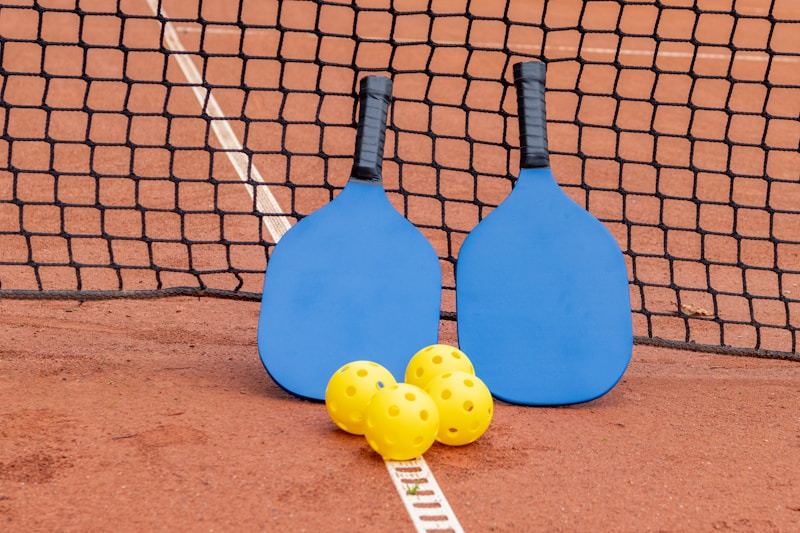
Pickleball is no longer a niche American pastime. With 24.3 million players in the United States alone and an estimated 80 to 120 million people worldwide who have played at least once, it is the fastest-growing sport in America for the fourth consecutive year. The global pickleball market surpassed $2 billion in 2026. And yet, the apparel segment remains remarkably underserved — which is exactly why this moment represents the single biggest opportunity for activewear brands and custom manufacturers alike. This guide provides a comprehensive, data-backed roadmap for brands looking to launch a custom pickleball apparel line. From fabric specifications and sport-specific design features to manufacturing workflows, cost breakdowns, and manufacturer selection criteria, every section is built on verified industry data and real-world case studies. According to the SFIA 2026 Pickleball Single Sport Report, 24.3 million Americans played pickleball in 2025 — up 22.8 percent year-over-year and a staggering 479 percent over five years. The sport added approximately 4.5 million new players in 2025 alone. Among them, 7.48 million are core players who hit the court at least eight times per year, a figure that grew 20.4 percent year-over-year. The stereotype of pickleball as a retirement-community activity is dead. The average player age has dropped from 41 in 2020 to 34.8 in 2026. The largest demographic group is now 25-to-34-year-olds, with over 3 million players. Teens and young adults aged 13 to 24 post the highest participation rates of any age segment. Female participation has risen to 42.9 percent, making pickleball one of the most gender-balanced racquet sports in the world. And 33 percent of core players report household income exceeding $100,000 — meaning this is an audience with real purchasing power. Key Takeaway: The pickleball apparel customer is younger, more diverse, and more brand-conscious than most manufacturers assume. Generic "activewear for everyone" will not capture this market. Brands need sport-specific design, performance fabrics, and a clear aesthetic identity. Pickleball's unique biomechanics — constant split steps, sharp lateral cuts, explosive lunges, and quick direction changes on hard courts — demand apparel purpose-built for these movements. Generic gym wear, typically cut for straight-line running, fails during pickleball's rotational demands: seams stress, fabric bunches, and range of motion is restricted at the kitchen line where matches are won or lost. 1. 4-Way Stretch With Full Recovery. Pickleball requires unrestricted arm movement for serves and overheads, deep knee flexion for dinks, and full hip rotation for lateral recovery. Any fabric resistance during these movements compromises performance. Four-way stretch fabrics with elastane content of 10 to 20 percent are the baseline specification. 2. Moisture Management That Actually Works. An outdoor pickleball session lasting 60 to 90 minutes generates substantial sweat, especially on hard courts that reflect heat. Moisture-wicking fabrics — typically polyester-spandex or nylon-spandex blends with wicking finishes — must pull sweat from the skin to the fabric surface for rapid evaporation. Technologies like Dry Zone, Sport-Wik, and HeatGear moisture transport systems set the standard. Fabric softener should be avoided entirely — it clogs the moisture-wicking pores that make these fabrics functional. 3. UV Protection as a Baseline, Not a Bonus. Pickleball is played outdoors under direct sun, often for hours at a time during tournaments. UPF 50+ protection, which blocks 98 percent of UVA and UVB rays, should be a standard specification — not an upsell. For context, a standard cotton T-shirt offers only UPF 5 to 8, which is effectively zero protection for outdoor play. For pickleball bottoms — skorts, leggings, and compression shorts — squat-proof construction requires a minimum of 220 GSM with a tight interlock knit structure. Anything lighter risks transparency during deep lunges at the kitchen line. Nylon-spandex blends consistently outperform polyester-spandex on opacity at equivalent GSM, which is why premium pickleball brands default to nylon-rich compositions for bottoms. Based on analysis of the fastest-growing pickleball apparel brands in 2026 — including Centerline Athletics, which reported 437 percent year-over-year sales growth and secured partnerships with USA Pickleball, the APP, PPA, and Major League Pickleball — the following design features separate winning products from generic activewear: Raglan sleeves or gusseted underarm panels eliminate shoulder friction during overhead smashes. Game-specific paneling at the hips allows rotational freedom without fabric restriction. Dropped hems and side notches in skirts provide ease of movement during lunges. Displaced seams prevent chafing during repetitive stop-start motion. Mesh back panels target high-heat accumulation zones on the upper back. Asymmetrical side-panel ventilation brings airflow directly to the torso during lateral movement. Zipper neck openings provide adjustable cooling control for tournament play between points. Centerline's AirLite ventilation technology and Selkirk's aerated back-panel construction set the benchmark for effective heat management. Perhaps the most distinctive pickleball-specific innovation is the integration of textured knit grip panels — such as Centerline's GripTek fabric zones — on the side panels and hems of skorts and shorts. These zones function like a lightweight towel, allowing players to wipe their hands and secure their grip between points without a separate accessory. Anti-cling finishes reduce fabric sticking to sweaty skin, and anti-odor treatments extend wearable life through multi-day tournaments. The pickleball skort has evolved into a technically sophisticated garment. The current standard includes built-in compression shorts liners with grip elastic at the hem to prevent riding up during play, hidden drop-in ball pockets in the liner, high-rise flat knit waistbands that stay in place during stop-start movement, and four-way stretch throughout the full garment. Typical liner inseam is 3.5 inches. A-line and bubble-hem silhouettes balance mobility with on-court aesthetics. Every successful pickleball collection starts with a clear technical specification. Your tech pack should include flat sketches with front and back views of each garment, a detailed bill of materials specifying exact fabric compositions and GSM for each component, a measurement spec sheet with grade rules across your full size range, stitch and construction details — particularly for gussets, grip panels, and ventilation zones, Pantone color codes for all colorways, and placement specifications for logos, prints, and branding elements. If you do not have in-house design capability, an experienced ODM manufacturer can develop the tech pack from your reference samples, sketches, and mood boards. Fabric selection for pickleball demands rigorous testing beyond the standard swatch review. Request fabric swatches and perform a worn stretch test — not just a flat review. Wash samples at least twice before approving to verify colorfastness, pill resistance, and elastic recovery. Confirm moisture-wicking efficacy with a standardized wicking test rather than marketing claims alone. And for bottoms, always conduct a squat test under bright light with the intended fabric and GSM. The sample phase typically requires two to three rounds. A full custom sample takes approximately 12 to 15 days for the first round, with each revision adding approximately two to three weeks. Fit-test samples through the full range of pickleball motion — serves, overheads, dinks, lunges, and lateral cuts. Approve in stages: material selection first, then first fit sample, then revised sample, then size set across your full size range, and finally the pre-production sample which serves as the sealed reference for bulk production. Bulk production for a focused pickleball collection typically takes 25 to 45 days depending on order volume and complexity. Insist on AQL 2.5 inspection standards — in-line inspection during production catches problems while correction is still possible, and final random inspection of the finished lot verifies consistency against the sealed pre-production sample. For pickleball apparel specifically, QC must verify squat-proof opacity on every colorway, stretch recovery after simulated wear, grip-panel adhesion and function, and UPF rating documentation from the fabric mill. For a focused first collection — three styles across two to three colorways, 100 to 200 pieces per style — a realistic startup budget for custom cut-and-sew manufacturing ranges from $15,000 to $35,000. Brands starting with private-label stock styles and adding their own branding can launch for $5,000 to $12,000. The critical principle is to start narrow with two to three hero products that are executed flawlessly, not a broad collection that spreads your budget — and quality — too thin. Brands that design pickleball apparel for a 65-year-old retiree miss the largest and fastest-growing segment: players aged 25 to 34. The modern pickleball consumer wants court-to-street aesthetics that look as good at brunch as they do at the net. Performance is the entry ticket; style is the differentiator. The number-one cause of unsellable pickleball inventory is bottoms that fail the squat test. A fabric that looks opaque on a flat swatch can become translucent under the tension of a deep lunge at the kitchen line. Every colorway must be physically tested under tension in bright light. Pickleball is an outdoor sport. UPF 50+ is not a premium upsell — it is a baseline safety feature. Brands that skip UV-rated fabrics create a genuine health liability for their customers during tournament play lasting three or more hours in direct sun. Generic activewear does not account for the fact that pickleball players need to wipe their hands and secure their paddle grip between points — repeatedly, for hours. Integrated grip panels on skorts and shorts are not a gimmick; they are one of the few truly pickleball-specific design features that separate sport-specific apparel from generic gym wear. The most instructive case study in pickleball apparel is Centerline Athletics, which in 2026 emerged as the dominant brand in the space. The company reported 437 percent year-over-year sales growth and secured official partnerships with USA Pickleball, the Association of Pickleball Players (APP), the Professional Pickleball Association (PPA), Major League Pickleball, DUPR, and Troon — effectively covering every major league, rating system, and facility operator in the sport. Retail distribution expanded into Nordstrom, Court Kings, and Pickleball Kingdom. What did Centerline get right? Three strategic decisions stand out. First, they built apparel specifically for pickleball biomechanics — not generic activewear with a pickleball logo. Their AirLite fabric technology, GripTek grip panels, and game-specific paneling addressed genuine player needs that generic brands ignored. Second, they invested in the ecosystem — partnerships with leagues, facilities, and rating platforms built credibility that no amount of paid advertising could replicate. Third, they targeted the younger, style-conscious player with clean, elevated aesthetics that transition from court to everyday wear — capturing the exact demographic that legacy tennis brands were losing. For new brands entering the space, the lesson is clear: do not launch "pickleball apparel" that is just relabeled gym wear. Build for the sport's actual demands, partner with the ecosystem, and design for the customer who wants to look as good as they play. For full custom cut-and-sew manufacturing, expect MOQs of 100 to 300 pieces per style per color. Some manufacturers offer flexible MOQs as low as 50 pieces per style for launch collections, typically at a 15 to 25 percent per-unit premium. Private-label options using existing base styles with your branding can start at even lower quantities. Budget 12 to 18 weeks for a focused first collection: 3 to 4 weeks for design and tech pack, 3 to 5 weeks for fabric sourcing and sampling (2 to 3 rounds), 4 to 6 weeks for bulk production, and 2 to 3 weeks for shipping. Rush timelines are possible but add cost and increase QC risk. A nylon-spandex blend (typically 75 to 80 percent nylon, 20 to 25 percent spandex) at 220-plus GSM is the gold standard. Nylon offers superior opacity under tension compared to polyester at equivalent weight, and the higher spandex content supports the full range of motion pickleball demands. The built-in compression liner should use a poly-spandex blend for moisture management. Not necessarily. A reference sample, clear photos, sketches, and a mood board are enough for an experienced ODM manufacturer to begin development. The manufacturer can then develop the full tech pack, typically for $150 to $500 per style, often refundable against your bulk production order. Standard apparel regulations apply: FTC labeling requirements for fiber content, country of origin, and care instructions are mandatory for the US market. For brands planning EU distribution, OEKO-TEX Standard 100 certification is increasingly treated as a de facto requirement by customs authorities. UPF claims must be substantiated with test reports from an accredited laboratory. The numbers tell an unambiguous story: 24.3 million players and growing at 22.8 percent annually. A $2 billion-plus market projected to continue double-digit growth through at least 2030. A player base that is younger, more diverse, and more brand-conscious than any other racquet sport. An apparel segment still dominated by generic activewear brands that do not understand the sport's specific demands. For activewear brands, this represents a rare convergence: explosive demand, an underserved market, and clear product differentiation opportunities for those willing to build for the sport rather than simply relabel existing inventory. For custom sportswear manufacturers, pickleball represents a rapidly expanding category where technical capability — four-way stretch construction, grip-zone integration, UPF-rated fabric sourcing, and squat-proof engineering — directly translates to competitive advantage. The brands that win in pickleball apparel will not be the ones with the largest marketing budgets. They will be the ones who understand the sport deeply enough to solve real player problems — moisture management that lasts a full tournament, grip panels that work, UV protection that is built in, and silhouettes that look as confident off the court as on it. If your brand can deliver those four things, 24.3 million players are waiting.
The Pickleball Boom by the Numbers: Market Size, Players, and Demographics
Participation Growth That Defies Gravity
A Rapidly Diversifying Player Base
What Makes Pickleball Apparel Different: Sport-Specific Design Requirements
The Three Performance Pillars of Pickleball Apparel
Essential Fabrics for Pickleball Performance Wear
Fabric Type Typical Composition Best Use Key Properties Polyester-Spandex 88–90% Polyester / 10–12% Spandex Tops, polos, performance tees Moisture-wicking, lightweight (3.5–5.0 oz), quick-dry, wrinkle-resistant Nylon-Spandex 75–80% Nylon / 20–25% Spandex Leggings, compression shorts, skorts Superior stretch recovery, soft hand feel, durable, squat-proof at 220+ GSM Recycled Polyester-Spandex 80% Recycled Polyester / 20% Spandex Eco-conscious collections, skorts UPF 50+, moisture-wicking, OEKO-TEX certified dyes available Polyester Textured Knit (GripTek-style) 100% Polyester Side panels, grip zones on skorts Toweling texture for hand wiping, grip security during play Poly-Spandex Interlock 90% Polyester / 10% Spandex (interlock body); trim with higher spandex Performance polos, structured tops Aerated back panels, anti-odor finish, UV protection Squat-Proof Specification: The Non-Negotiable
Key Design Features That Define Winning Pickleball Apparel
Mobility Engineering
Ventilation Systems
Sweat Management and Grip Features
Bottoms and Skort Architecture
The Custom Pickleball Apparel Manufacturing Process: From Concept to Court
Phase 1: Design and Tech Pack Development (Weeks 1–4)
Phase 2: Fabric Sourcing and Testing (Weeks 3–6)
Phase 3: Sampling and Fit Refinement (Weeks 5–10)
Phase 4: Bulk Production and Quality Control (Weeks 10–16)
How to Choose the Right Pickleball Apparel Manufacturer
Cost Breakdown: What to Budget for Your First Pickleball Collection
Cost Category Estimated Range (USD) Notes Tech pack development $200–$600 per style Often refundable against bulk orders when using an ODM partner Sampling $150–$350 per style per round 2–3 rounds typical; partially or fully refundable against production Bulk production (per unit, 100–300 pcs) Performance top: $6–$12; Skort with liner: $10–$18; Legging: $8–$16 Nylon adds $1.50–$3.00 per piece over polyester; built-in liners add $2–$4 Branding (labels, hangtags, packaging) $0.75–$2.50 per unit Woven labels preferred over printed for durability Shipping (express to US) $3–$6 per piece for small orders Economy sea freight reduces this for larger volumes Import duties (US) 12–16% of declared value Activewear HS code dependent Common Mistakes to Avoid When Launching Pickleball Apparel
Mistake 1: Designing for the Wrong Customer
Mistake 2: Skipping the Squat Test
Mistake 3: Neglecting UV Protection
Mistake 4: Overlooking Grip and Sweat Management
Real-World Case Study: How Centerline Athletics Defined the Pickleball Apparel Category
Frequently Asked Questions
Q1: What is the minimum order quantity for a custom pickleball apparel collection?
Q2: How long does it take to bring a custom pickleball collection from concept to delivery?
Q3: Which fabric is best for pickleball skorts?
Q4: Do I need to provide my own tech pack to a pickleball apparel manufacturer?
Q5: Is pickleball apparel subject to any specific regulations?
Conclusion: Why 2026 Is the Year to Enter Pickleball Apparel